

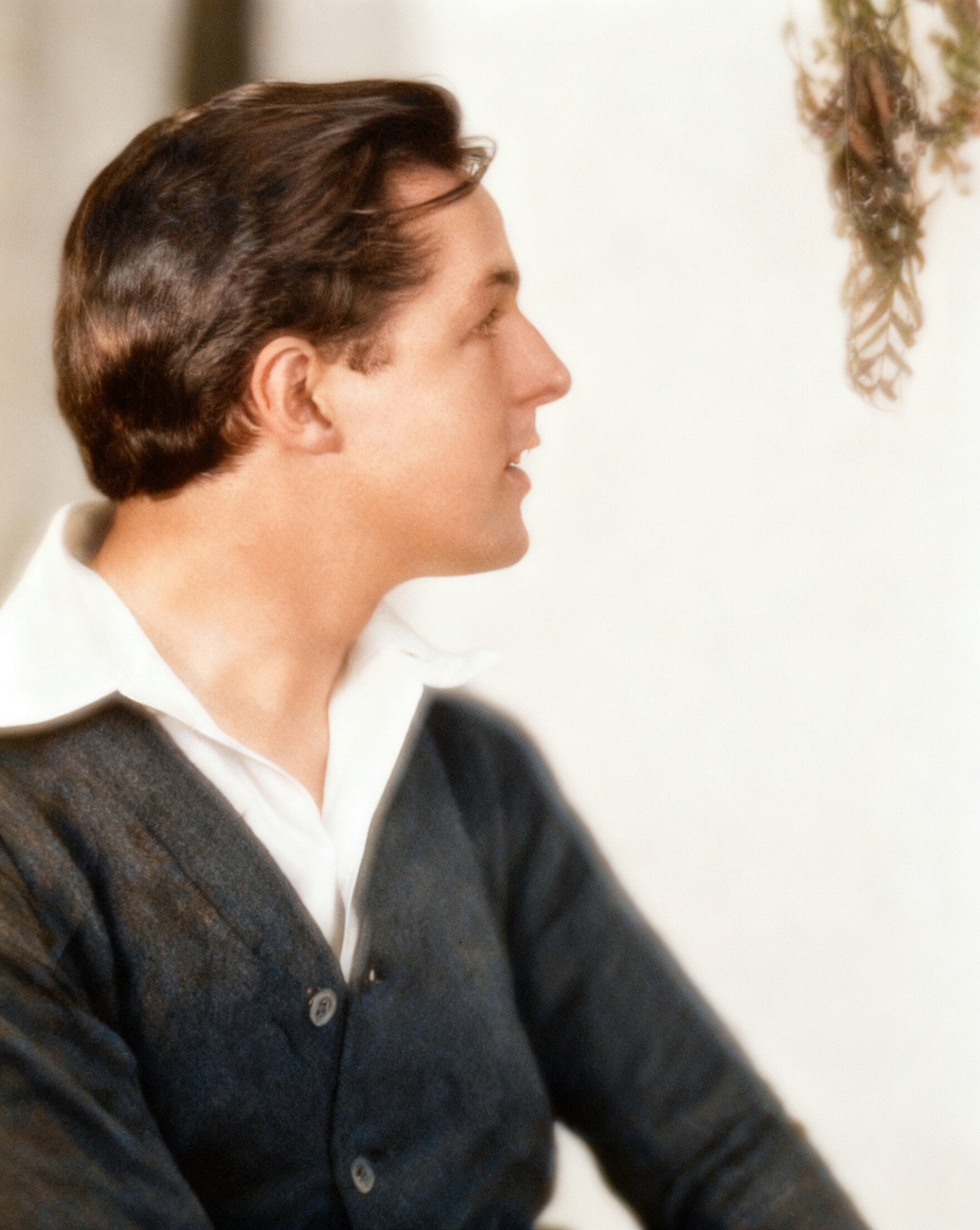
A prolific career in early Hollywood
Gareth Hughes made a truly remarkable mark in the vibrant world of Hollywood, shining brightly in many notable films during the fascinating silent era. His unwavering passion and undeniable talent helped him become a well-known and respected figure in the early days of filmmaking, truly reflecting the pioneering spirit of cinema that characterised that transformative period. His extensive and impressive filmography highlights not only his lasting impact on the industry but also his important contributions to the art of movies, showcasing his versatility and dedication as an actor.
Gareth Hughes wasn't just an actor; he was a key figure in cinema's early days. He was there at the start of filmmaking in Hollywood, helping shape how the industry grew. His films not only tell the story of his career but also give us a special look into the early days of movies and how they became a worldwide entertainment phenomenon. Gareth Hughes made a remarkable impact in the vibrant world of Hollywood, particularly during the fascinating silent era. His unwavering passion and undeniable talent helped him become a well-known and respected figure in the early days of filmmaking, exemplifying the pioneering spirit that characterised this transformative period. His extensive and impressive filmography highlights not only his lasting influence on the industry but also his significant contributions to the art of cinema, showcasing his versatility and dedication as an actor.
Below you can watch some of Gareth's surviving films and the only surviving clip of Sentimental Tommy.
Sentimental Tommy (Robertson J.S 1921)
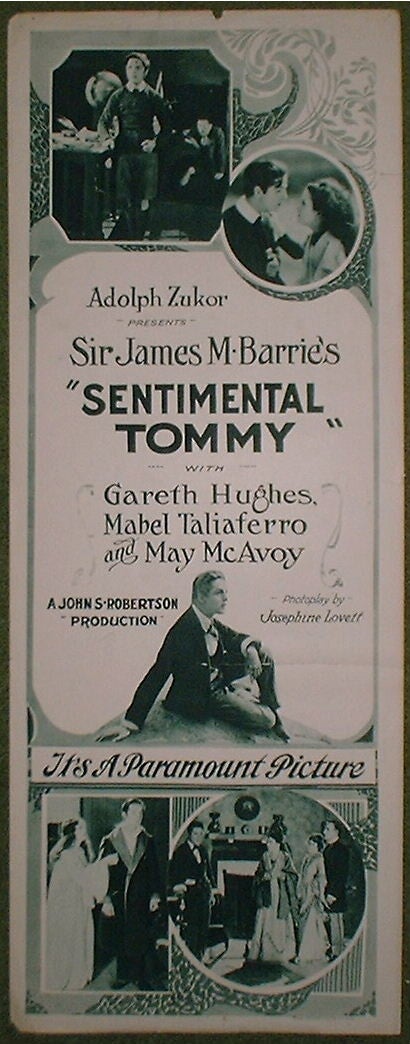
The people of Thrums ostracise 12-year-old Grizel (May McAvoy) and her mother, known as The Painted Lady, until newcomer Tommy Sandys (Gareth Hughes), a highly imaginative boy, rescues the girl, and they become inseparable friends. Six years later, Tommy returns from London, where he has achieved success as an author, and finds that Grizel still loves him. In a sentimental gesture, he proposes, but she, realising that he does not love her, rejects him. In London, Tommy is lionised by Lady Pippinworth, and he follows her to Switzerland. Having lost her mother and believing Tommy needs her, Grizel comes to him but is overcome by grief when she sees his love for Lady Pippinworth. Remorseful, Tommy returns home, and after his careful nursing, Grizel regains her sanity.
—AFI
The story of a lad who fought, like a knight of old, for a painted lady's daughter who was his queen. Set amid charming scenes in the old Scotch village of Thrums. Made of the things that make life worthwhile (Print Ad-Daily Star, (Fredericksburg, Va.) 7 July 1921)


source IMDB
You can check out the only remaining clip of the film starting at 9 minutes in.
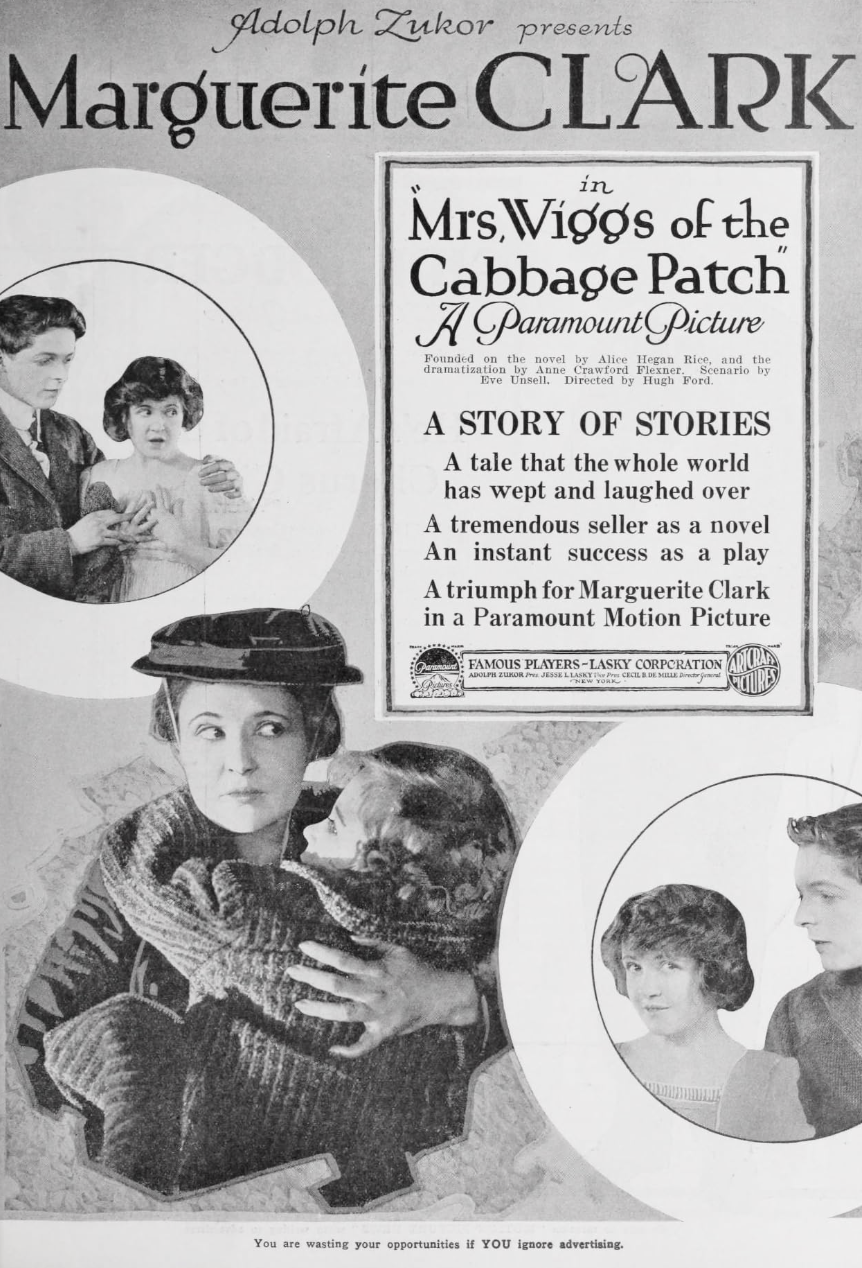
Mrs Wiggs of The Cabbage Patch Kids (Ford.H 1919)
"Mrs Wiggs of the Cabbage Patch" is a silent American comedy-drama film that was released in 1919. The Famous Players–Lasky Corporation, a prominent film studio during the silent film era, produced it, and Paramount Pictures, one of Hollywood's major film distributors, distributed it. Hugh Ford directed the film, and he was known for his work in both silent and sound films.
Starring the talented Marguerite Clark, who was a popular actress of her time, the film is based on the beloved 1904 Broadway play written by Anne Crawford Flexner. The play draws inspiration from the novel of the same name by Alice Hegan Rice, first published in 1901. The narrative centres on Mrs Wiggs, a resourceful and endearing woman living in a lower-class neighbourhood, who navigates life's challenges with humour and determination.
In addition to Clark, the film features an unknown child actor, whose performance adds a charming element to the story. "Mrs Wiggs of the Cabbage Patch" has survived the passage of time and is preserved at the Library of Congress, making it a significant work in film history, as it stands as one of the few silent films featuring Marguerite Clark that are still extant. This preservation allows contemporary audiences to appreciate the film's artistry and the cultural context of its era.
This was Gareth Hughes' 5th film and one of his most notable works.
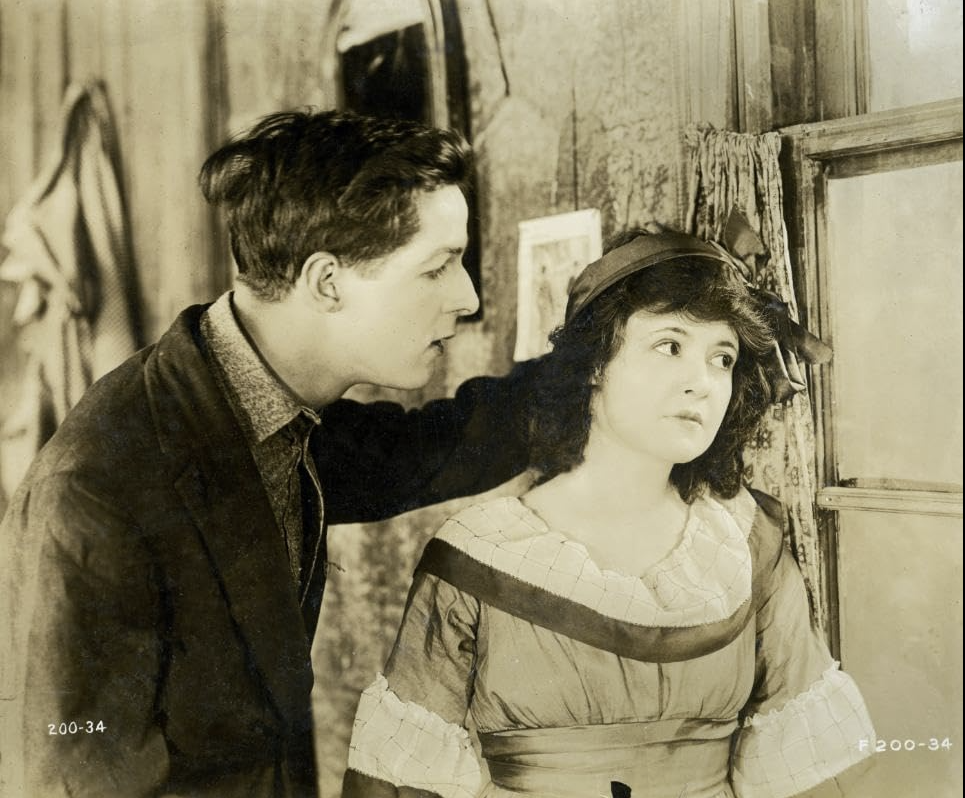
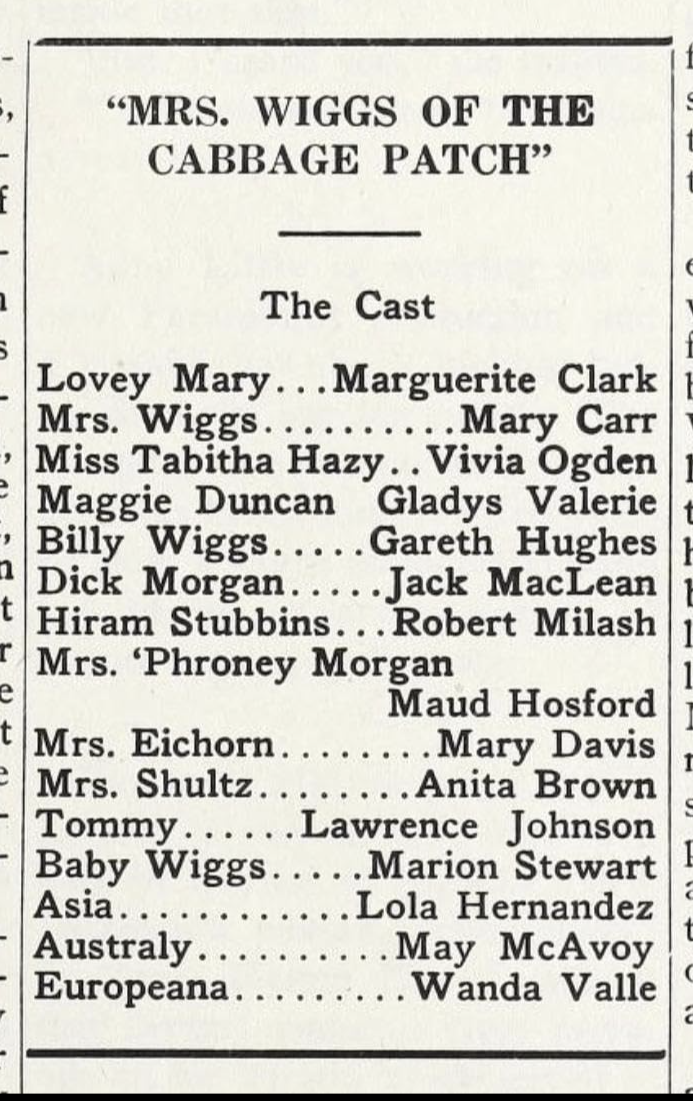
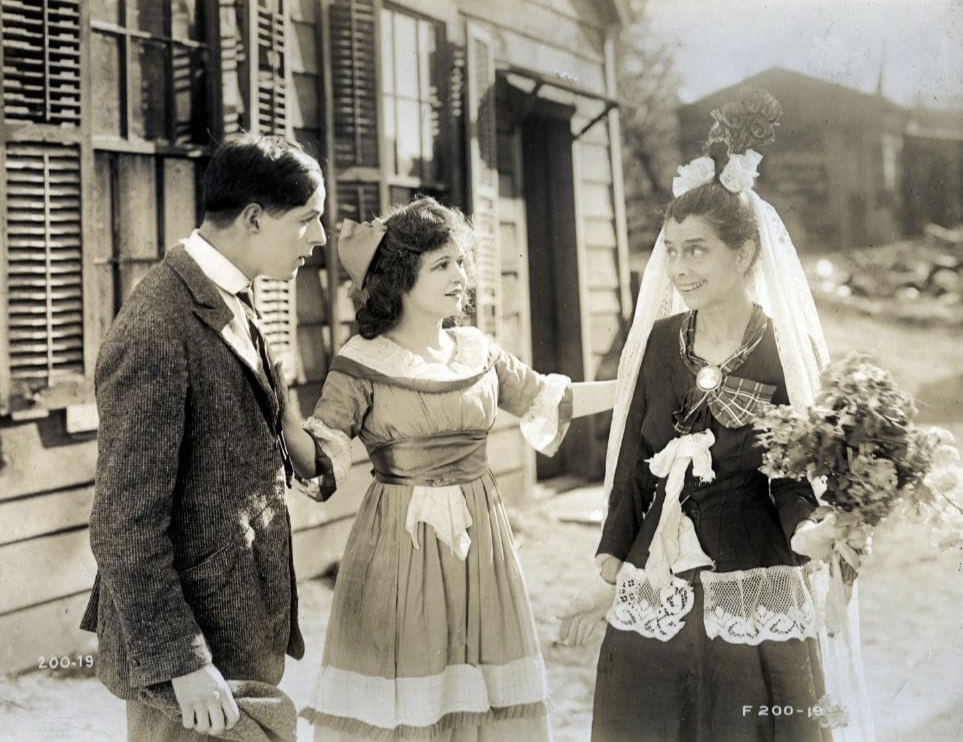
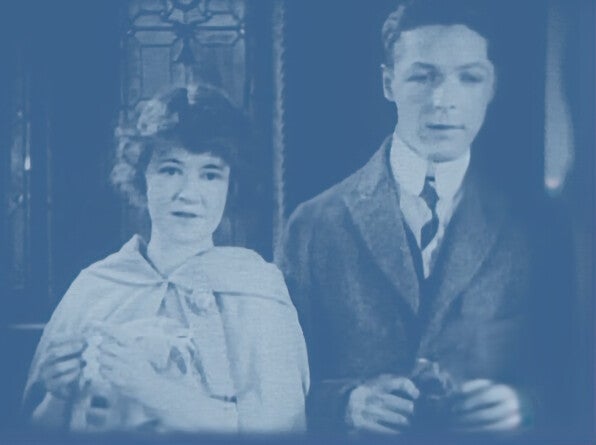
Films stills Silent Hollywood and private collection
The Spanish Dancer (Brenon.H 1923)
A costume drama based on the adventures of Maritana, a Gypsy dancer, who is in love with Don César de Bazan, a penniless nobleman. Don César is arrested for duelling and sentenced to die when he intercedes on behalf of Lazarillo, a lad who was cruelly beaten by the captain of the guards. Maritana implores Queen Isabel of Bourbon to save her lover's life, and the queen induces the king to pardon him. Maritana and Don César are married. However, the king is attracted to Maritana and lures her to a hunting lodge, where Don César, who escapes jail, arrives in time to save her from his advances. The queen arrives, stirred by jealousy, just as the king and Don César engage in combat. Maritana's quick wit saves the king from disgrace, and as a reward, he restores Don César's estates to him.
—AFI


source IMDB