Gareth Hughes — The Life of Brother David
Gareth Hughes is celebrated as Wales’s first Hollywood silent-film star, yet his life off the silver screen proved just as captivating as his days in the spotlight.
After basking in Hollywood fame, Hughes stepped away from the limelight and embraced a new identity. He became Brother David and dedicated years to serving the Paiute people in the Nevada desert.
His story is a remarkable journey, taking a Welsh actor from Hollywood's dazzling lights to the quiet sands of the Nevada desert.
Finding a different path
By the early 1940s, Gareth Hughes had changed.
Though he achieved a level of success most actors only dream about, Hughes also faced Hollywood’s hardships and the fickle nature of fame. Gradually, his heart turned toward religion.
Hughes was baptised at St. Athanasius Church in Los Angeles in 1941 and then began to explore the possibility of joining religious life.
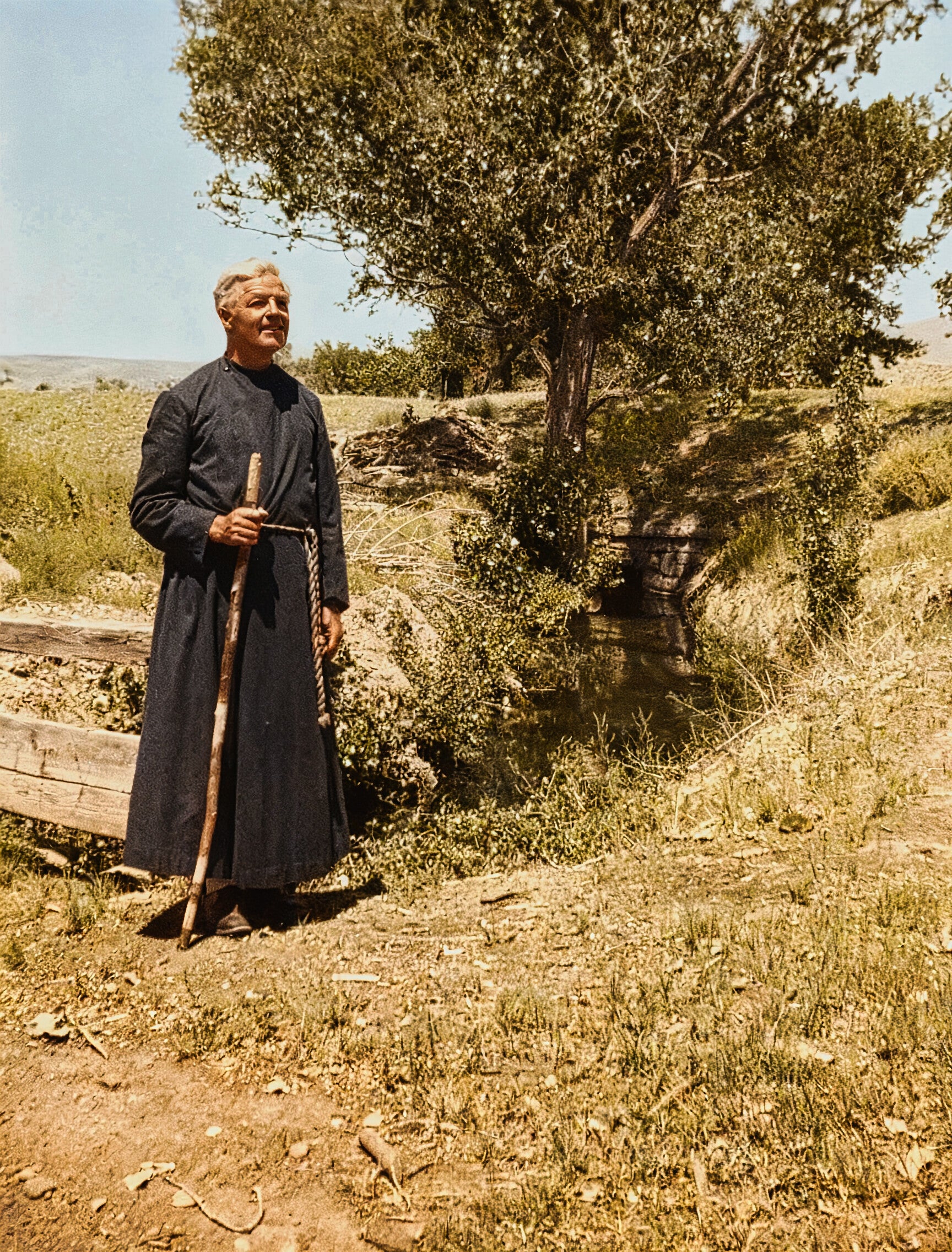
He joined the Society of St John the Evangelist in Cambridge, Massachusetts, and took the name Brother David. Though he did not stay with the Society, this choice marked the start of an extraordinary new chapter in his life.
He tried once more to enter religious life in 1943, this time joining the Order of the Holy Cross in New York.
Source: Dictionary of Welsh Biography
What stands out is that Hughes was not just a retired actor searching for distraction; he genuinely believed he had discovered a new calling.

Photo University of NV. Reno Special Collections Dept.

Leaving Hollywood behind
In 1944, Hughes was still working in the film industry. He was employed as a dialect coach (uncredited) for Bette Davis and the cast of The Corn Is Green. (Rapper. I 1945)
Then came an opportunity that would transform his life forever.
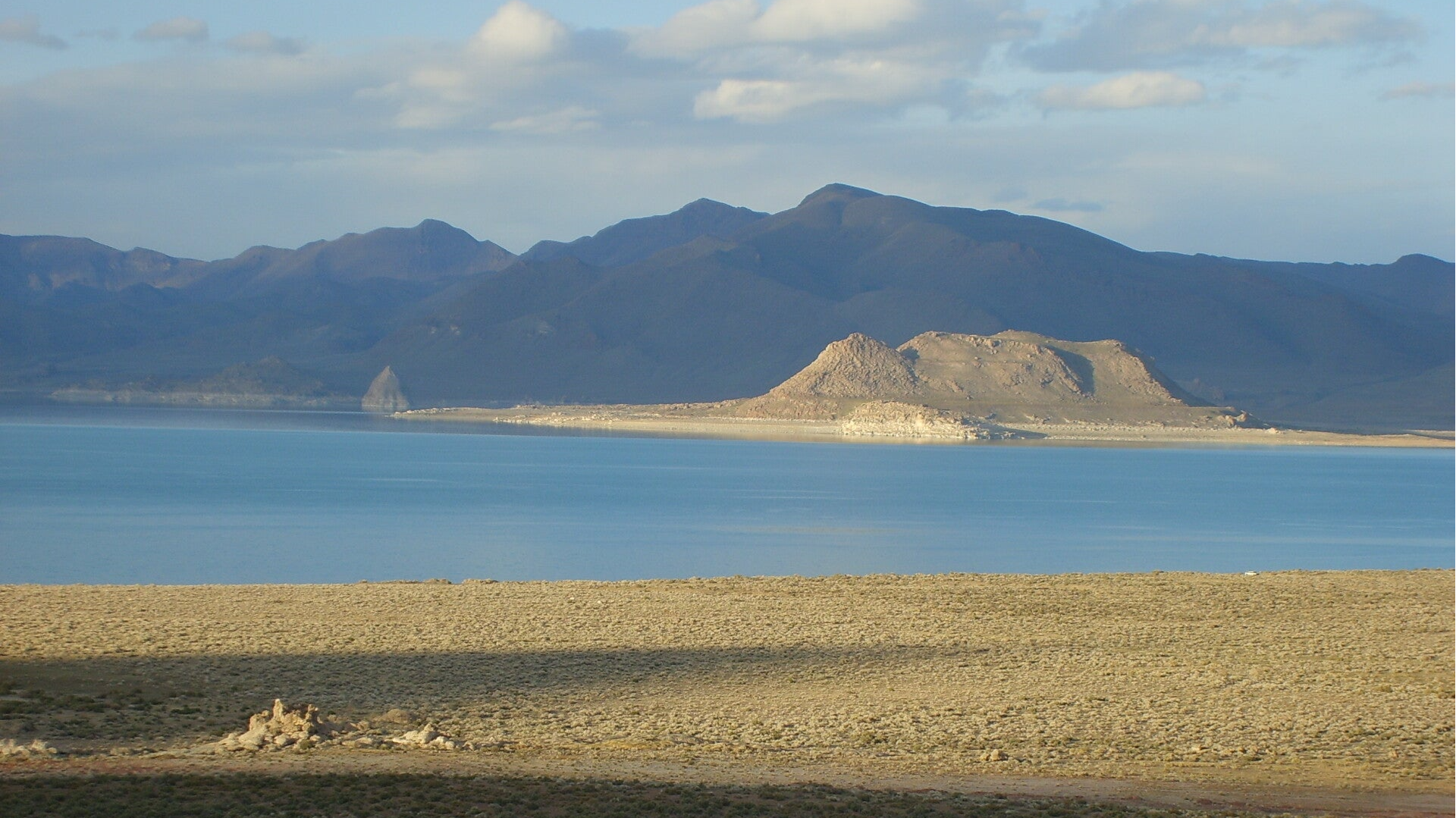
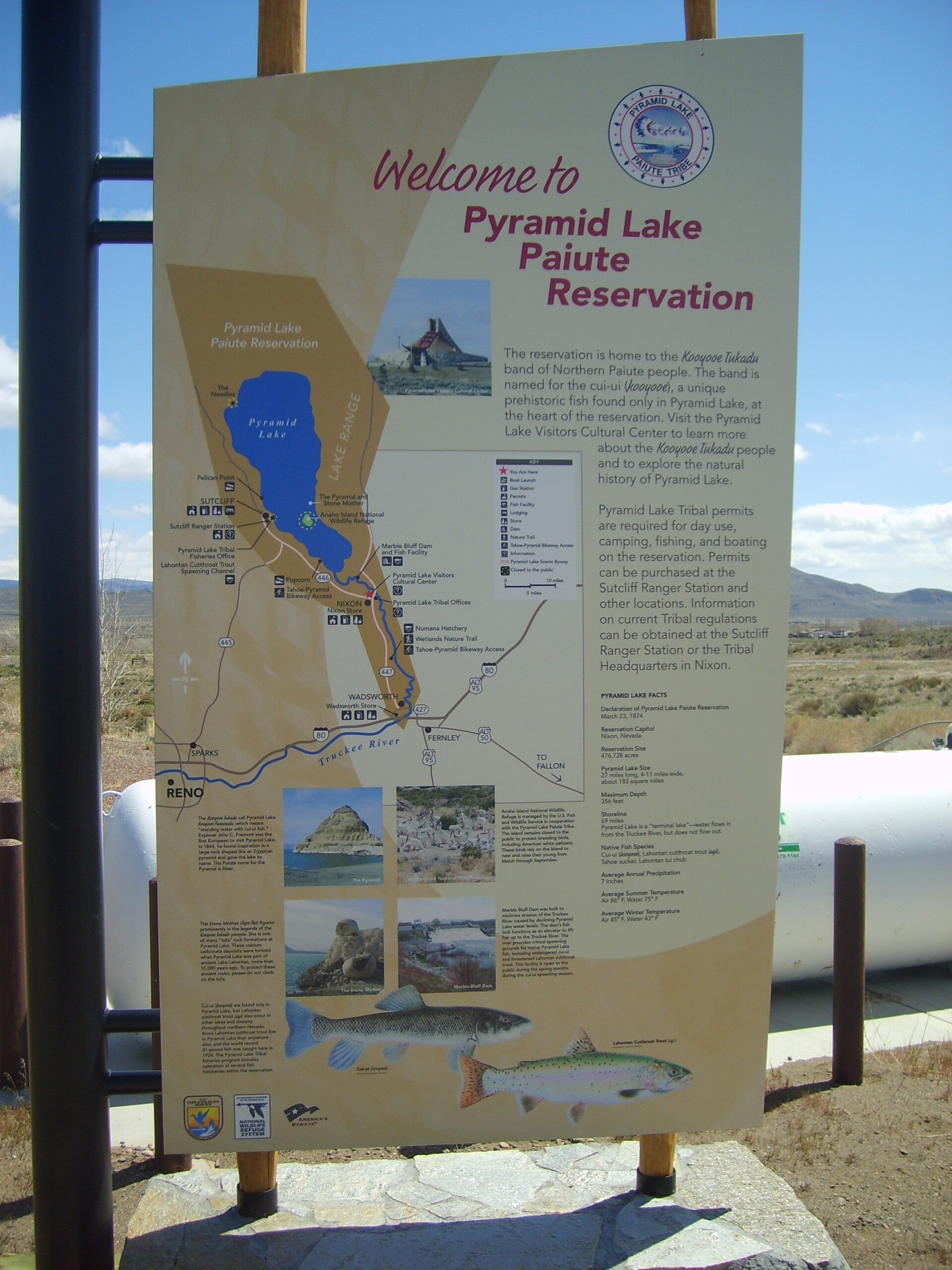
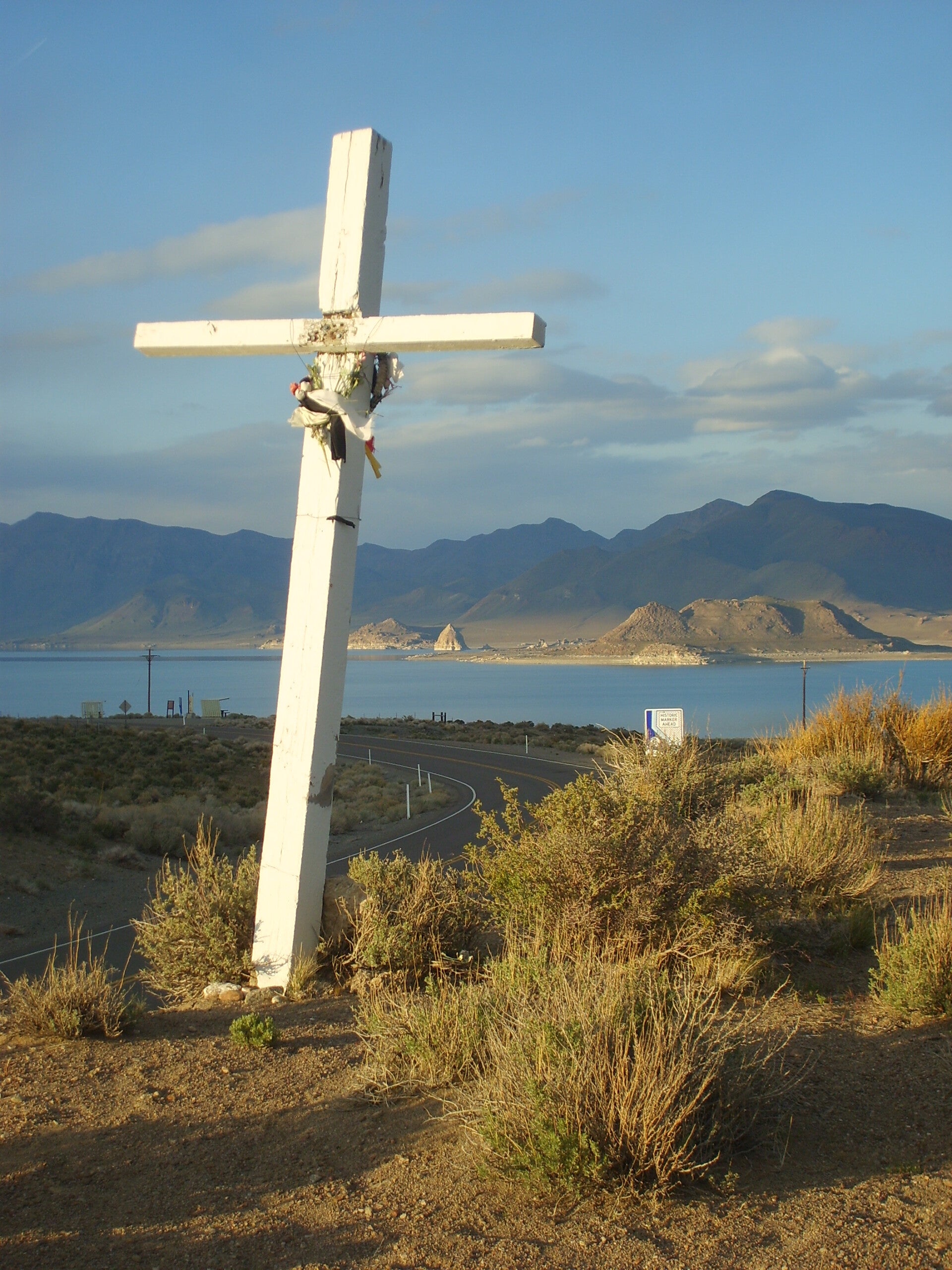
Hughes took up a post as a Lay Minister with the Order of the Holy Cross and worked among the Paiute people at Pyramid Lake, Nevada.
The former Hollywood actor now found himself living a life worlds apart from his glamorous past.
He worked in Nixon and Wadsworth, then at Fort McDermitt on the Nevada-Oregon border.
Gone were the film sets, cameras, and premieres; his days now revolved around churches, close-knit communities, families, and children.
Brother David and the Paiute people
Brother David immersed himself in the community.
He did far more than lead church services; he wove himself into daily life and called the Paiute children "his children." While some questioned his approach, many he served came to love him.
Source: Dictionary of Welsh Biography
His work also had a practical side.
Brother David set up several activities that gave local people a chance to earn income. He taught the Paiute people how to polish stones and make jewellery, founded a sewing club and bought shoes for children using money from his own salary. (https://en.wikipedia.org/wiki/Gareth_Hughes, 2024)
He also organised trips to Reno for young people and used his contacts from his time in Hollywood to get films and clothing for the community. (Gareth Hughes Papers, n.d.)
In other words, Gareth Hughes's Hollywood skills and connections did not fade away. Instead, he used them to enrich a very different corner of American life.
The Hollywood star within him never truly vanished.
It is touching to realise that the performer within him never completely faded away.
Brother David still had the voice, confidence and storytelling ability of an actor.
He became involved at the University of Nevada, where he taught students about Shakespeare and directed performances. (Gareth Hughes, 2024)
The stagecraft that once dazzled cinema audiences now inspired and uplifted those he taught.
Source: Dictionary of Welsh Biography
His past continued to echo in his new life in unexpected ways.
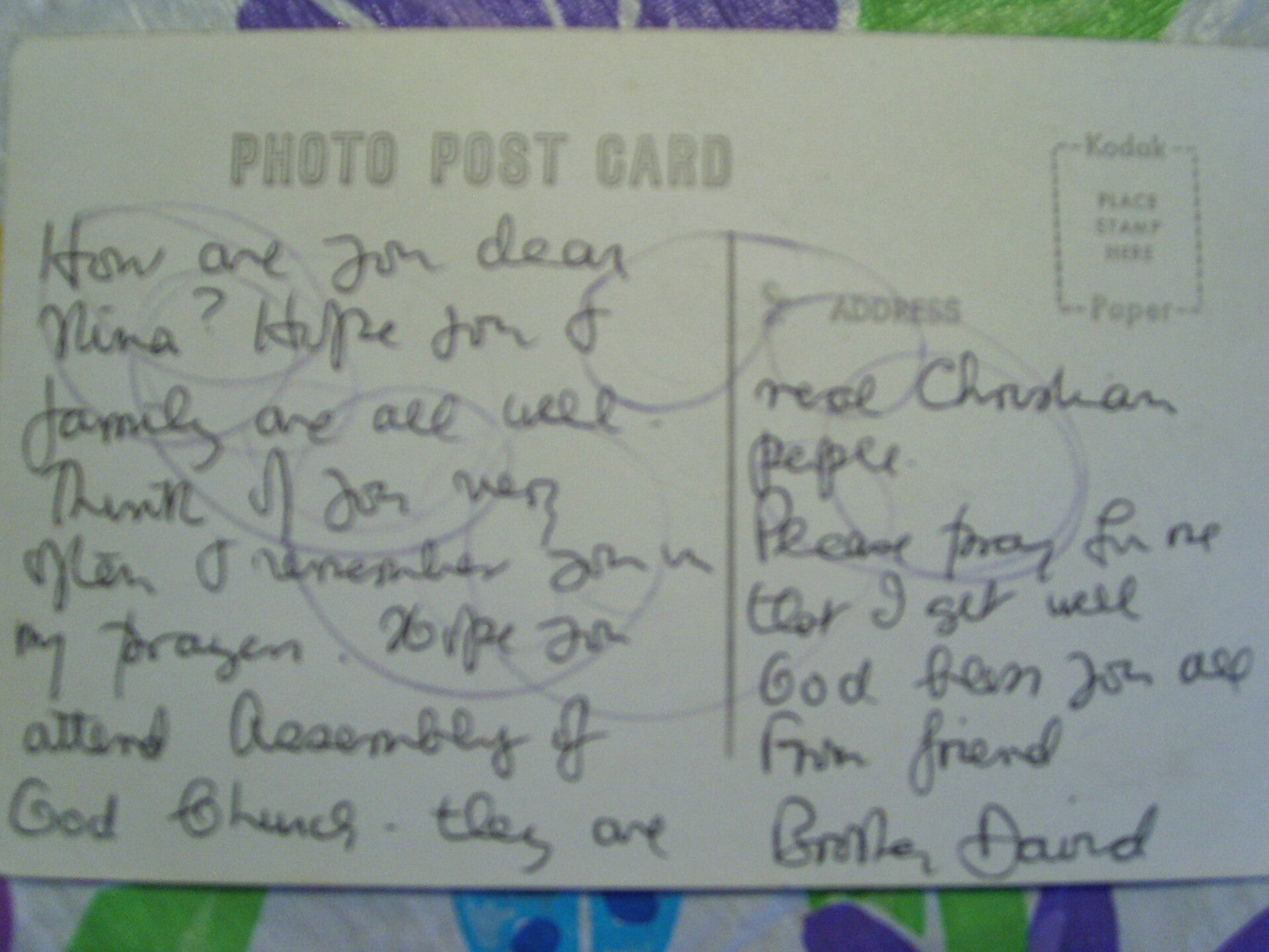
The University of Nevada, Reno, holds the Gareth Hughes Papers, an important collection that documents both halves of his life. The collection includes photographs from his acting career, material relating to his missionary work and correspondence from people he worked with as Brother David.
His Indigenous parishioners wrote some of the letters, providing a personal connection to the community in which he worked.
Source: University of Nevada, Reno — Gareth Hughes Papers
For Gareth Hughes’s story, these documents are invaluable. They reveal the man behind the Hollywood glamour.
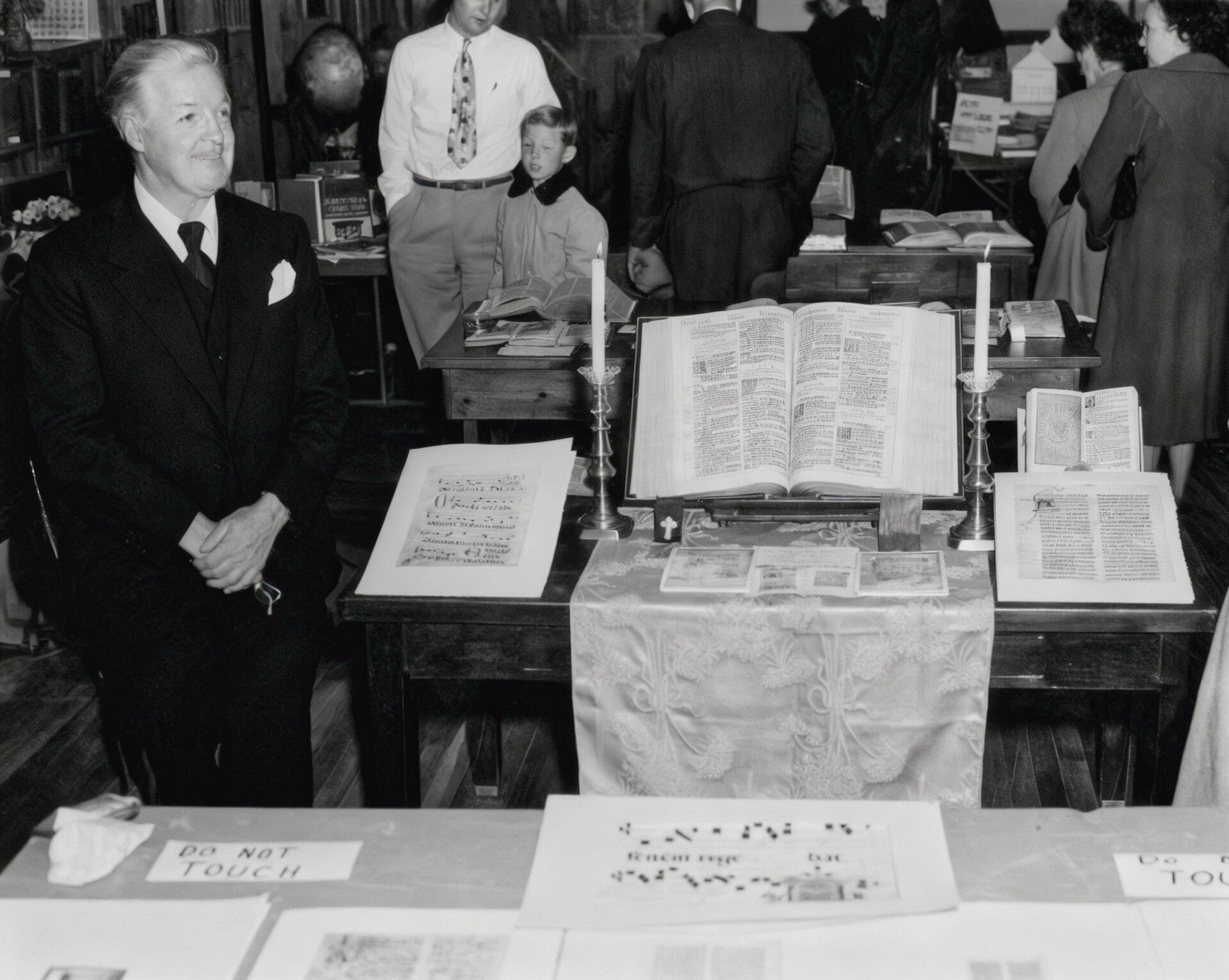
Photo University of NV. Reno Special Collections Dept.
A man who was remembered
Brother David's relationship with the Paiute community was one of the most important parts of his later life.
Disagreements about his methods existed, but the historical record also shows that many of the people he worked with had great affection for him.
That difference is worth remembering.
Gareth Hughes had earlier been surrounded by Hollywood audiences who knew him from the screen.
People who knew him personally knew Brother David.
That's a far more personal kind of fame.
His final years
By the mid-1950s, Hughes's health was deteriorating.
In 1956, he started working at a wedding chapel in Reno, marrying members of the Paiute nation as well as celebrities, and, as the Dictionary of Welsh Biography states, he used the money he earned to assist people from the reservation.
He went back to Wales in 1958.
However, after many years in America, he struggled to adjust to life in his native country and returned to California after only a few months.
Source: Dictionary of Welsh Biography
He eventually lived at the Motion Picture Country Home and Hospital in Woodland Hills, the retirement community for people from the film industry. (Gareth Hughes, 1965)
It felt as though the two halves of his life had finally reunited.
The former Hollywood actor found himself once more among those from the world he had once left behind.
Yet Brother David remained ever present.
He continued his work in the religious field and served as an unofficial chaplain at the home. According to the Dictionary of Welsh Biography, he performed the baptism of Clara Kimball Young and Edmund Gwenn, who were formerly film stars before they died.
Gareth Hughes passed away on 1 October 1965 at the age of 71.

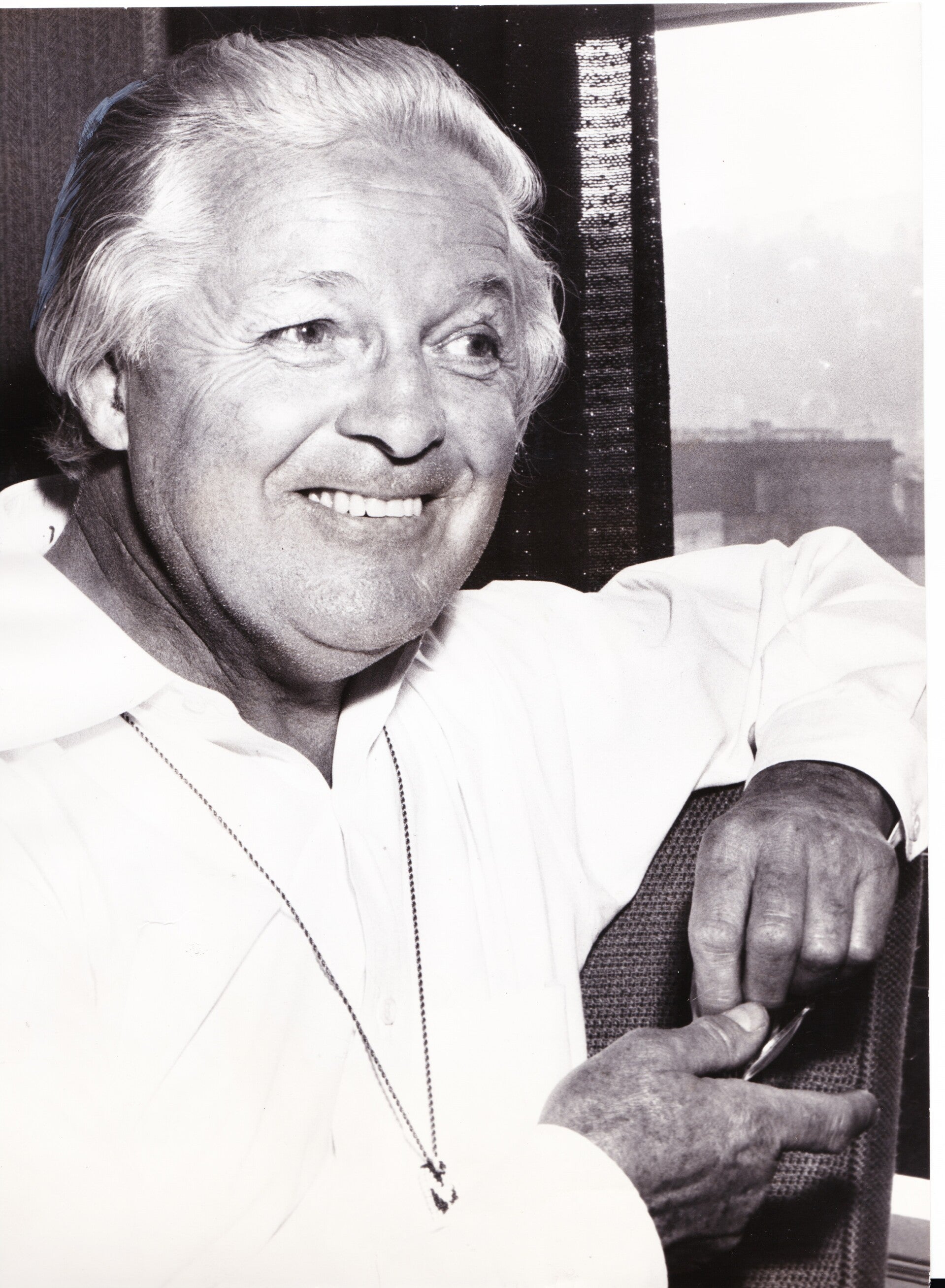
Photo University of NV. Reno Special Collections Dept.
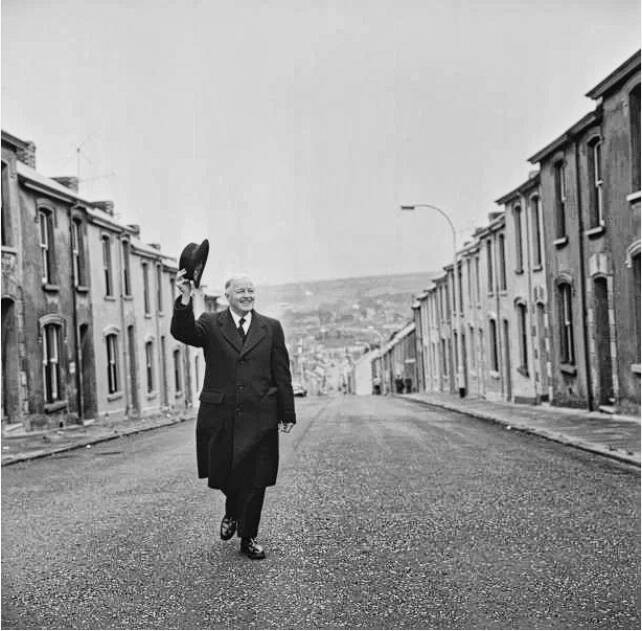
Gareth Hughes, Llanelli, Wales. (Photo Western Mail.)

Two lives, one extraordinary man
Perhaps the most fascinating way to view Gareth Hughes is not as two separate people.
Gareth Hughes and Brother David were one and the same. The actor's confidence became the missionary's ability to communicate.
His theatrical experience became a way to teach and tell stories. His Hollywood contacts helped him serve the people he reached.
The man who once longed for the gaze of thousands on cinema screens ultimately gave himself to a small community, where true value lay in personal bonds, not fame.
The University of Nevada archive, filled with photographs, letters, and mementoes from both chapters of his life, offers a remarkable window into his transformation.
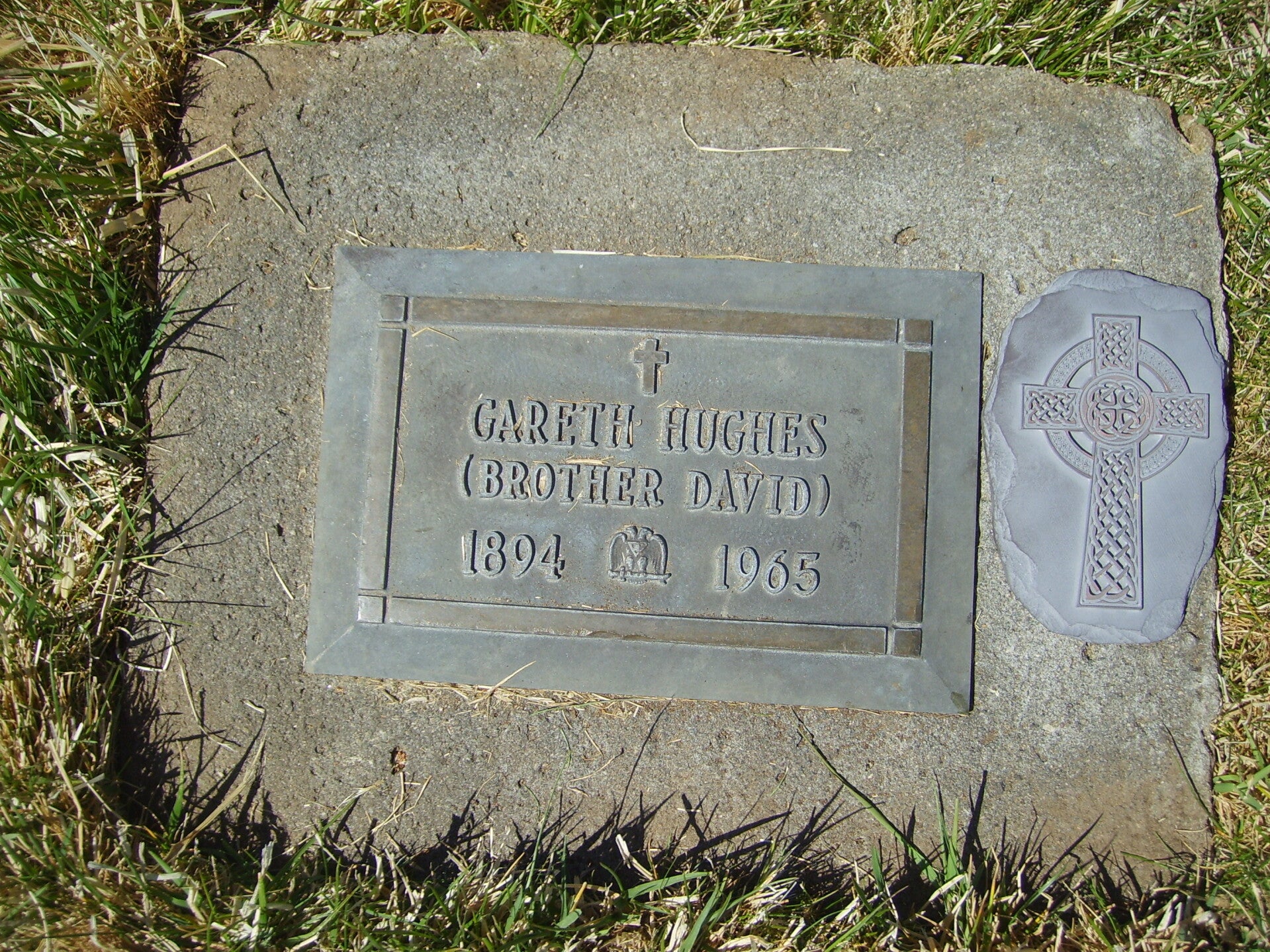
The Silent Son of Wales
He left Wales as a young man and found fame in Hollywood. He became one of Wales's faces on the silent screen.
Yet as the years passed, he chose to leave that world behind. He chose the Nevada desert over Hollywood.
He chose service over celebrity.
And he became known as Brother David.
That is what gives his story its enduring power today.
The films will show us the young Gareth Hughes — the actor, the star and the Welshman who made his mark in Hollywood.
However, Brother David’s story reveals what came next.
It is the tale of a man who, after tasting the thrill of fame, set out to find something more profound.
Amid the communities of Nevada, he discovered a new sense of purpose.
Gareth Hughes may have been the silent-film son of Wales, but to another community, he would always be Brother David.